Description
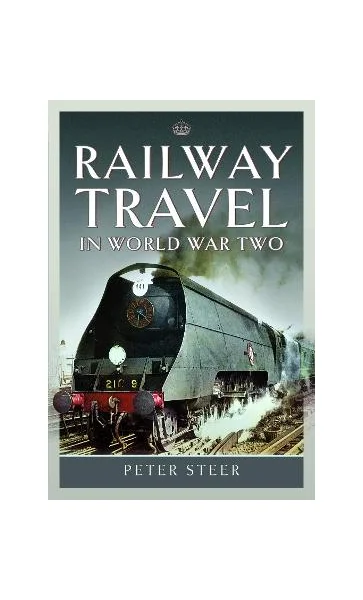
Railway Travel in World War Two offers a comprehensive and thought-provoking look at what it was really like to travel by train in Britain during the Second World War. Authored by railway historian Peter Steer, the book challenges long-held assumptions about squalid, overcrowded, and perpetually delayed wartime trains — instead scrutinising the mobility needs of the British public and how the railways responded under strain.
It examines the role of the Railway Executive Committee (REC), the conflicts between REC and the government over travel restrictions, and the public’s real-world reactions to campaigns like “is your journey really necessary?” The book traces varied experiences: some travellers cut journeys dramatically, while others — often newly displaced by war or needing to relocate for work — embarked on long or difficult rail trips.
With detailed narrative and archival research, the work goes beyond simple anecdotes. It delves into transport policy, social pressures, and the shifting demographics of wartime railway users. For historians, railway enthusiasts, or anyone interested in Britain’s social history under wartime pressures, Railway Travel in World War Two is a vital resource — illuminating how rail travel adapted and endured through one of the most turbulent periods in British history.